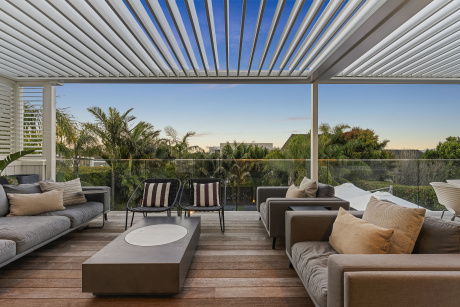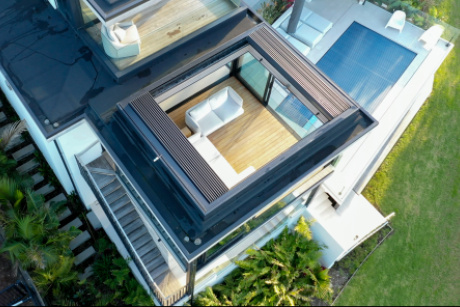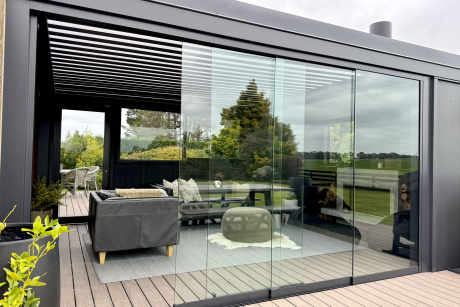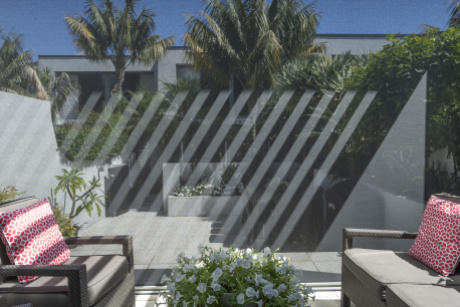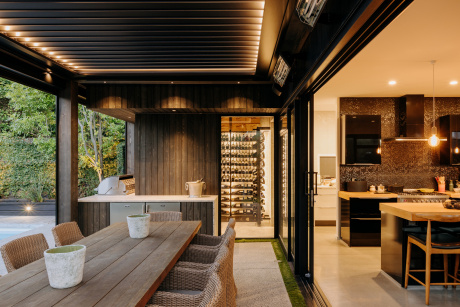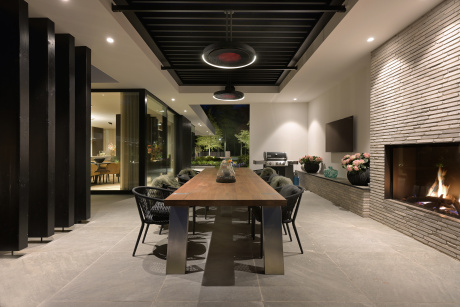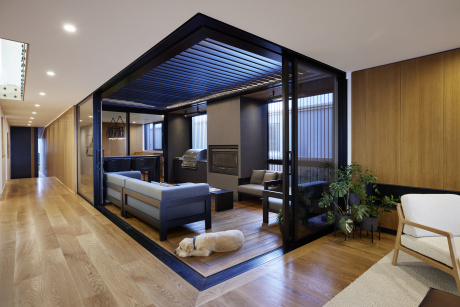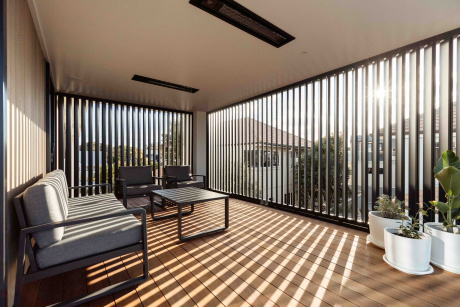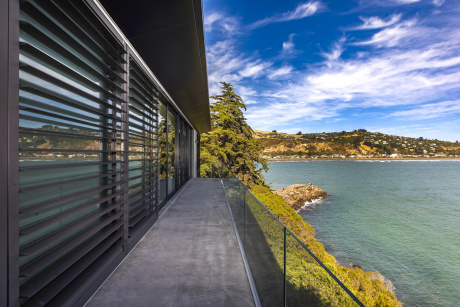
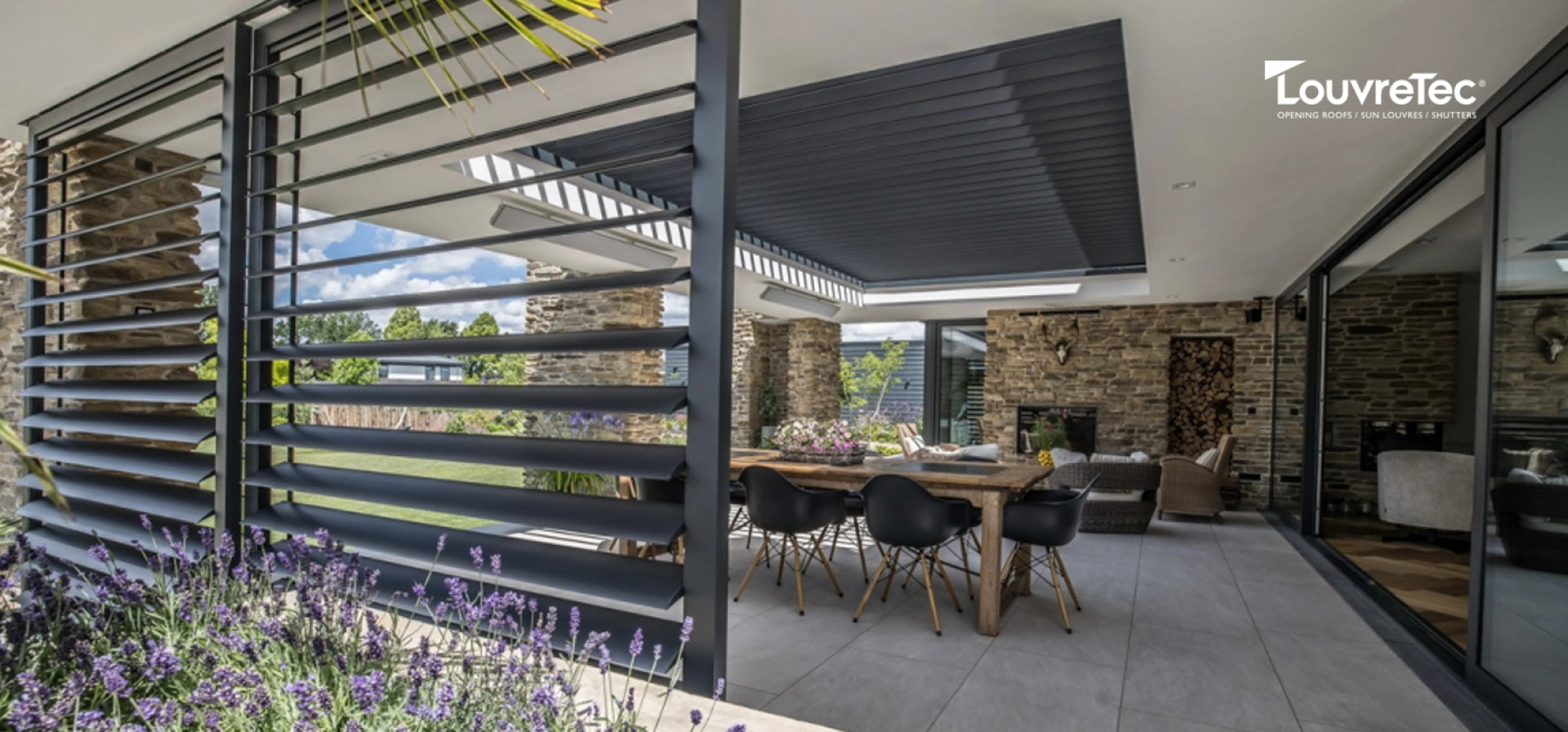
You have probably had that familiar moment where the deck looks perfect, the table sits ready, and then the weather changes fast. If you have caught yourself asking, are louvred roofs worth it?, you are not alone, because New Zealand conditions can turn a good outdoor plan into a short visit outside. The real value sits in control, comfort, and how often you use the space, not in a single feature list.
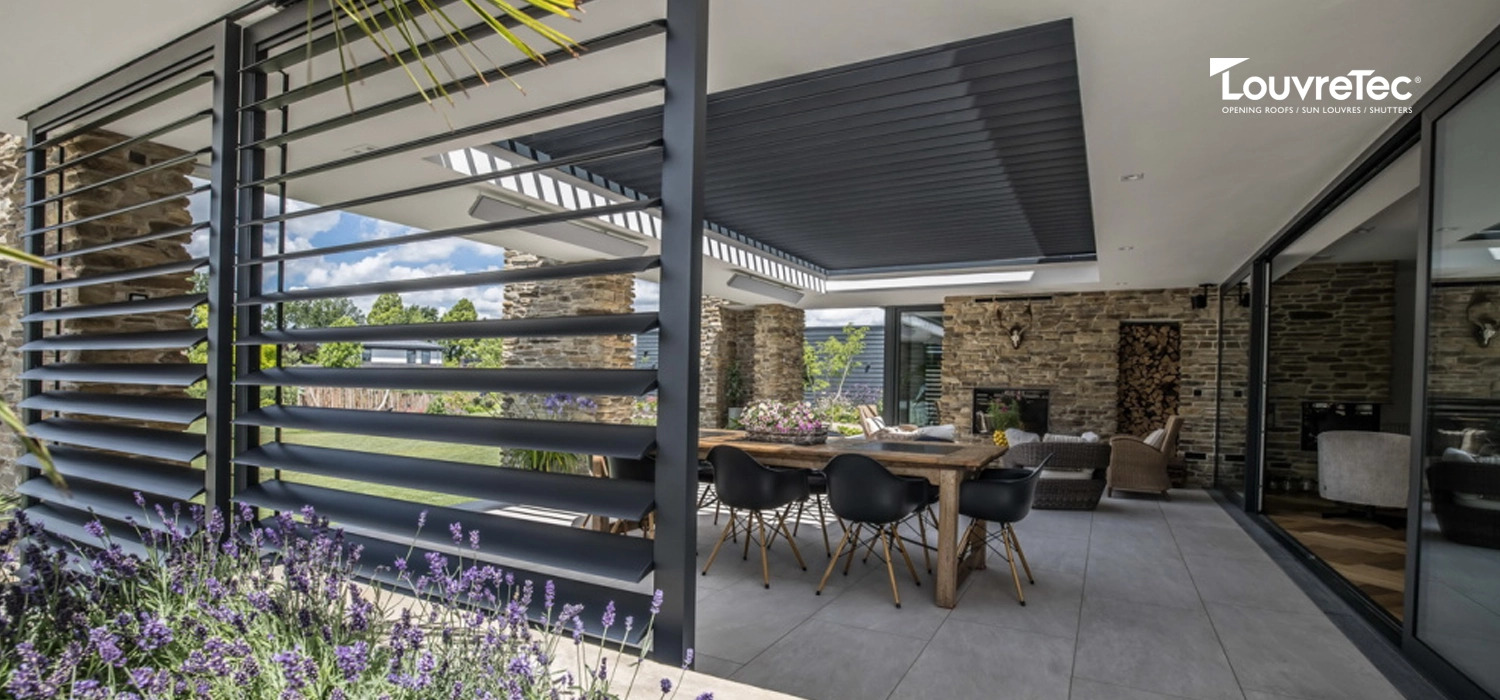
An open roof can feel like a luxury until you live with one through a full year. Then it often becomes the part of the home that quietly removes friction, such as harsh afternoon sun, damp seating, and a patio that stays empty once the forecast looks uncertain.
A NZ Reality Check Before You Spend
Most people do not regret improving an outdoor area. They regret paying for something that does not match how they live.
If you love relaxed meals outdoors and hate the routine of moving chairs, cushions, and electronics in and out, an opening roof can make the space easier to use. If you rarely sit outside, or you only need shade for an hour or two, you may feel happier with something simpler.
It also helps to set expectations early. Louvretec describes its Opening Roof as weather-resistant when closed, with louvres that adjust through to 180 degrees, so you can move between sun, shade, and airflow as the day changes.
At the same time, their BPIR declaration states it cannot be used as the weatherproofing solution to a building envelope, which is a sensible reminder that this is for outdoor living areas, not as a substitute for the roof that protects your home.
What an “Opening Roof” Actually Does Day to Day
A lot of marketing around outdoor rooms sounds similar, so it helps to picture how it feels on a normal weekend to evaluate the question: Are louvred roofs worth it?
Sun Control You Can Adjust, Rather Than Tolerate
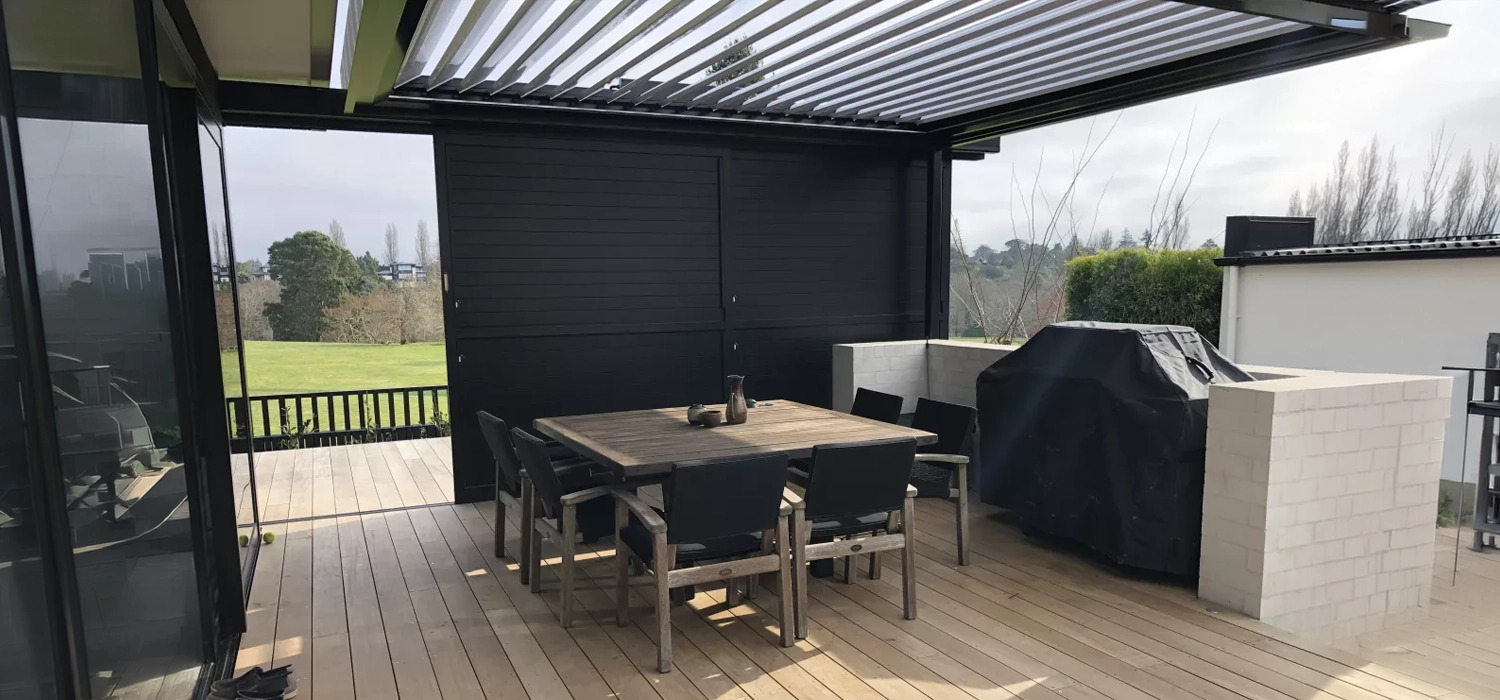
On a bright afternoon, fixed roofing can trap heat, while open pergolas can leave you squinting. Louvretec’s Opening Roof louvres open and close up to 180 degrees, which lets you dial the light level up or down rather than accept whatever the sun does that day.
This is the difference between “we should go inside” and “let’s stay out here a bit longer”. It can also help with low sun, where shade sails often miss the angle that matters most.
Ventilation When You Need It, Cover When You Do Not
In many NZ homes, the deck sits on the side that catches afternoon warmth, and it can feel stuffy when the air stays still. With a louvred roof, you can open the blades to encourage airflow, then close them when the temperature drops or a shower arrives. That simple shift often changes how long people remain outside.
Rain Handling, Plus Honest Limits
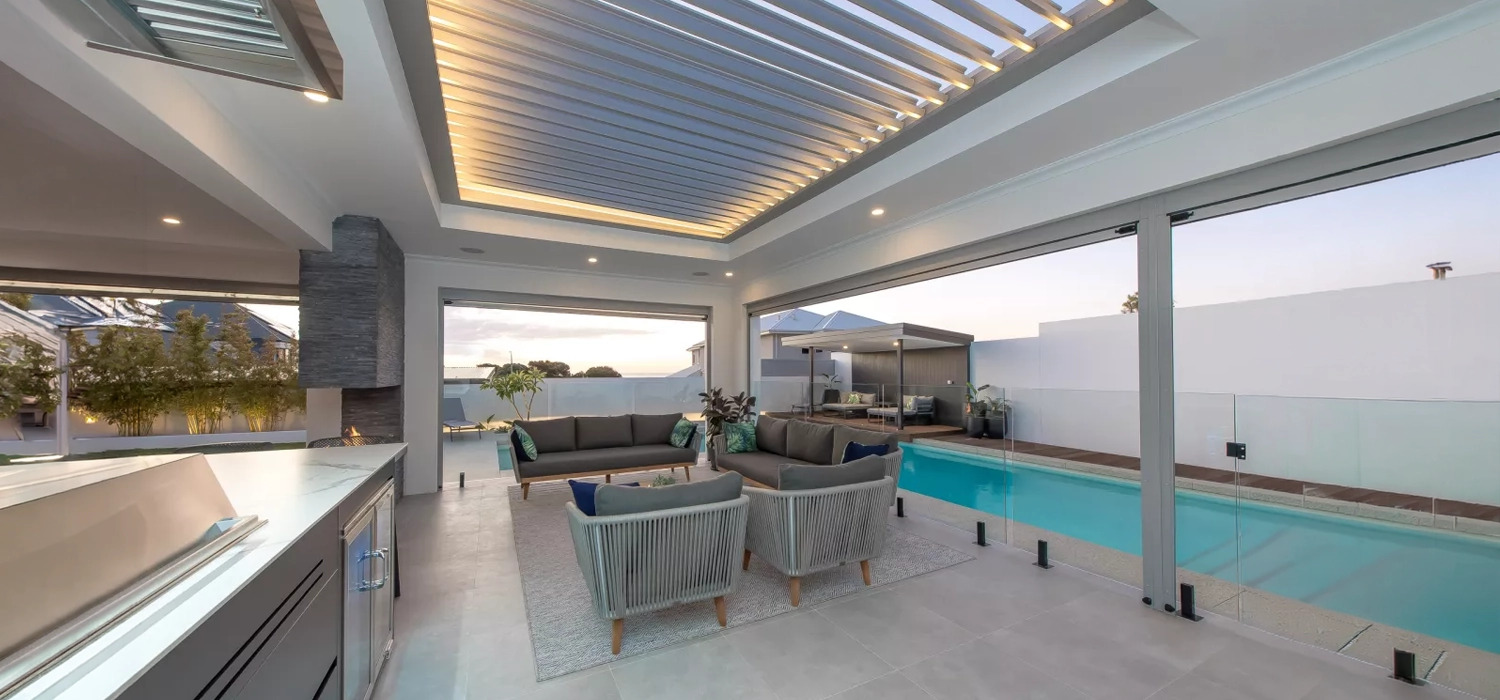
Louvretec’s BPIR declaration describes a proprietary gutter system around the internal sides of the opening, with outlets sized and placed to manage water.
That is important because drainage is where poor systems show their age.
Still, no outdoor roof performs well if water has nowhere to go, or if the site pushes wind-driven rain into the space. A good design approach looks at downpipe routes, overflow planning, and how the space behaves in gusty conditions, not only how it looks in a showroom.
Installation and mounting in NZ homes
This is where “worth it” becomes practical, because installation decisions affect performance, serviceability, and how tidy the finished result looks.
Attached or Freestanding: Choose Based on Your Site
Some homes suit a roof that connects to the building, while others do better with a freestanding structure over a deck or pool area. Louvretec notes its Opening Roof can sit within a structural beam and post structure, or within a suitable building opening, and it can be connected to a building or free-standing.
A connected roof can feel seamless when the deck sits close to the living area. A freestanding roof can solve tricky layouts, such as a deck that sits away from the home, or a space where fixing to the house does not suit the structure.
Wind Zones and Why “Engineered” Matters in NZ
Wind is not a minor detail here. Louvretec highlights that Opening Roofs are customised to requirements and wind zone, and their BPIR declaration states suitability across wind zones as defined in NZS 3604:2011, subject to their conditions of use and span tables.
For homeowners, the takeaway is simple. Do not treat an opening roof as a generic kit. Ask how the system gets specified for your site, and how the frame and fixing method align with your location and exposure.
Plan Power and Access Early
Most owners want clean lines, which means hidden wiring and sensible access points for future servicing. Louvretec’s BPIR declaration states the louvres can operate via an electric motor (230vac) or a manual winder.
If you pick motorisation, talk through where the power feed will run before the roof goes up. A good plan keeps the roof tidy, avoids awkward conduit, and makes maintenance easier.
Sun Louvres and “Opening Roofs” Are Different, but They Can Work Together
People sometimes mix these up when they start researching.
An Opening Roof is the overhead system that creates the outdoor room feel. Sun Louvre Systems typically address vertical or angled screening on a building, which can help with sun control, privacy, and design impact. Louvretec’s NZ Sun Louvre Systems page describes a wide range of options, including airfoil and rectangular louvres, with motorised, hand-operable, or fixed configurations, and it notes products crafted from premium materials designed for coastal environments.
If your problem includes low sun from the west, or you want privacy from a neighbour’s second-storey window, sun louvres can complement the roof rather than compete with it.
Materials and Durability for Real NZ Conditions
A big part of the decision comes down to whether the system will still feel smooth and solid after years of salt air, grit, and regular use.
Louvretec’s BPIR declaration describes extruded aluminium components with surface protection via powdercoat or anodised finishes.
That matters for coastal and near-coastal homes, because the environment tends to punish untreated materials.
Durability is not only about the frame. It is also about the moving parts, drainage paths, and the habit of keeping the system clean so it can do its job.
Maintenance That Feels Manageable, Not Demanding
Most people do not mind basic care. They mind surprises.
A useful way to frame upkeep is this: you are buying a moving outdoor system, so you should expect a simple routine that protects the investment.
What “Regular Cleaning” Usually Looks Like
In practice, owners often find a rhythm that fits their season. After a dry spell, a rinse and wipe can help remove dust and pollen. After coastal winds, a gentle wash can help remove salt residue. The goal is to keep surfaces clean and to stop debris from building up where water needs to flow.
Louvretec positions Louvrecare as preventative maintenance and valet, and notes that regular scheduled servicing has benefits, while also noting that Louvrecare can vary between dealerships.
Their Auckland and head office page also highlights a Louvrecare valet and maintenance service, which is useful for owners who prefer a hands-off approach to scheduled care.
Warranty Basics and What You Should Ask Before Installation
Warranty terms vary by product and installer, so it is worth reading the document that matches your system.
Louvretec’s Retract Roof warranty bundle states that when installed by Louvretec or an authorised installer, the first two years cover workmanship, louvres, componentry, motors, switches, and electronics with labour included, and years two to five move to parts-only replacement for motors, with labour excluded.
The same document also states Louvretec uses Somfy motors and notes a 5-year warranty for Somfy motors and electronics.
Even if you do not buy a retractable roof, this is still a useful way to think. Ask what the first two years cover, what changes after that, and what you need to do to keep the warranty in good standing.
Add-Ons That Make the Space Feel Finished
This is where many homeowners start smiling, because it is not only about shade. It is about how the space supports real life.
You might start with the roof, then realise you want lighting for dinners, warmth for late evenings, or screens for the wind. Louvretec’s BPIR declaration says the Opening Roof structure can have other Louvretec products attached, such as lighting, heating, glass sliders, and privacy louvres.
If you want to plan well, talk through these choices early, because wiring routes, beam positions, and outlet placement can change the end result.
Here are three details that often come up once people imagine the space in use:
- Many homeowners ask about integrating outdoor lights with louvre roof systems, because it changes how the area works after 6 pm, especially in winter when evenings arrive early.
- In exposed sites, people often explore combining patio blinds and awnings with louvres so they can manage wind, low sun, and privacy without closing the whole area in.
- For designers and builders, an architectural louvre specification checklist in NZ often helps align wind zone, fixing method, drainage, control options, and servicing access before anyone commits to a final layout.
Do you need council consent for an opening roof in NZ?
This section matters because it protects you from stress later, and it helps you budget and plan honestly.
MBIE’s Building Performance guidance for pergolas is clear that pergolas can be attached or freestanding, with no size limit, but they must not be roofed.
Once you add a roof, MBIE gives examples where the structure stops being a pergola for the exemption, and may become a veranda, which can change whether a building consent is required.
To keep this practical, here are the key points to check early:
- Pergola exemption: MBIE notes pergolas have no size limit under that exemption, but they must not be roofed.
- Porches and verandas up to 20 m²: MBIE describes an exemption for porches and verandas not exceeding 20 square metres, with conditions such as location on or attached to an existing building, and limits around public access.
- Porches and verandas between 20 and 30 m²: MBIE describes an exemption pathway where design or construction is carried out or supervised by a Licensed Building Practitioner, with conditions including ground floor placement and limits around public access.
Even when work is exempt, MBIE’s wider guidance reminds owners they are responsible for determining whether work is exempt, and for making sure work complies with the Building Code, and it also encourages seeking advice when unsure.
If you want peace of mind, talk with your local council early, or use a qualified professional who understands the exemptions and your site conditions.
A Simple Decision Guide: Are louvred roofs worth it?
If you still feel unsure, you can often get clarity by matching the product to your lifestyle and site rather than to a single feature.
- Choose an open roof if you want to use the deck more often, you dislike packing things away, and your site needs flexible control across sun, airflow, and showers.
- Pause and compare options if you only need occasional shade, you do not plan to maintain the system, or the area rarely gets used beyond a few summer weeks.
- Budget time for planning if your site is exposed, because wind zone design, drainage, and fixing method usually shape the final performance.
- Check consent and exemption pathways early, because “pergola” and “roofed structure” can sit in different categories under MBIE guidance.
Are Louvred Roofs Worth It?
So, are louvred roofs worth it? For many NZ households, the answer becomes “yes” when the outdoor space stops being a fair-weather option and starts feeling dependable. Louvretec’s Opening Roofs are designed for outdoor living areas, with adjustable louvres up to 180 degrees, a weather-resistant closed position, and drainage built into the system, which supports everyday convenience when the layout and installation suit the site.
The best next step is simple. Think about the moments that currently push you inside, such as glare, damp seating, or sudden showers, then ask how you want the space to work across a full year. Once you have that answer, you can talk with a specialist about mounting style, drainage, and consent checks, so the finished result matches your home and how you actually live.