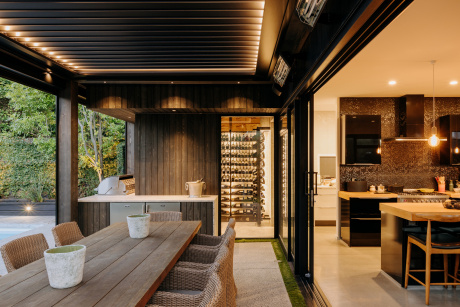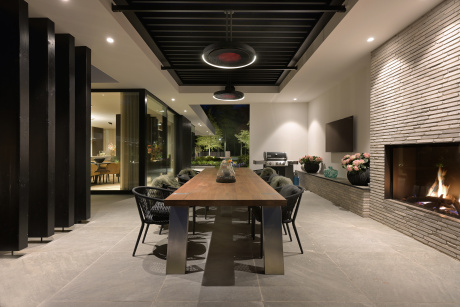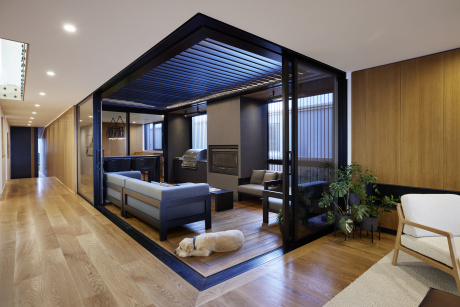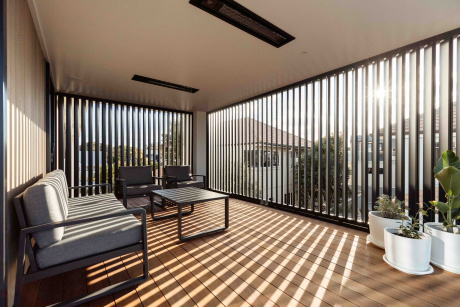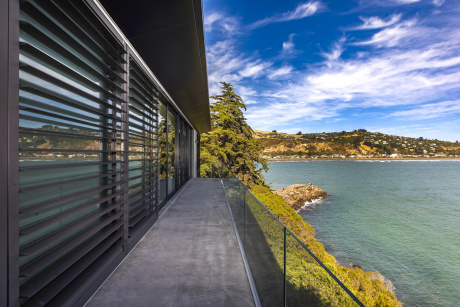
New Zealand's weather is famous for changing four times in one day. A brochure might show a sunny deck, but it doesn't show you running inside when the rain starts. That’s why many homeowners look for a reliable outdoor canopy. At Louvretec, we design opening louvre roofs, shutters, glass doors, and blinds to help New Zealanders create outdoor rooms that work for real weather and daily life.
This guide shares real-life examples. You’ll see how different systems not only change the look of a home, but also how families use their outdoor spaces for relaxing, hosting, and spending quiet time outside. We include a full before-and-after deck story, a privacy solution with shutters, and a heritage shade example. We also cover full enclosure options, two regional style ideas, and answer common questions.
Why Real Case Studies Matter for Outdoor Spaces
Many people have spent money on an outdoor space, only to find they don’t use it much. You might set up furniture and a barbecue, but end up inside because the deck gets too hot or too windy. Case studies show the small details that matter, like the angle of the roof, how the blades turn, or where the side screens are placed.
It also shows the emotional side. A good transformation not only adds shelter. It changes what feels possible on an average Tuesday. You stop checking the forecast for a simple dinner outside, or you stop rushing inside when a short shower passes through. Seeing that shift through a real household story makes planning much easier.
Case Study 1: From Exposed Deck to Architectural Outdoor Canopy
The “Before” NZ Deck Problem
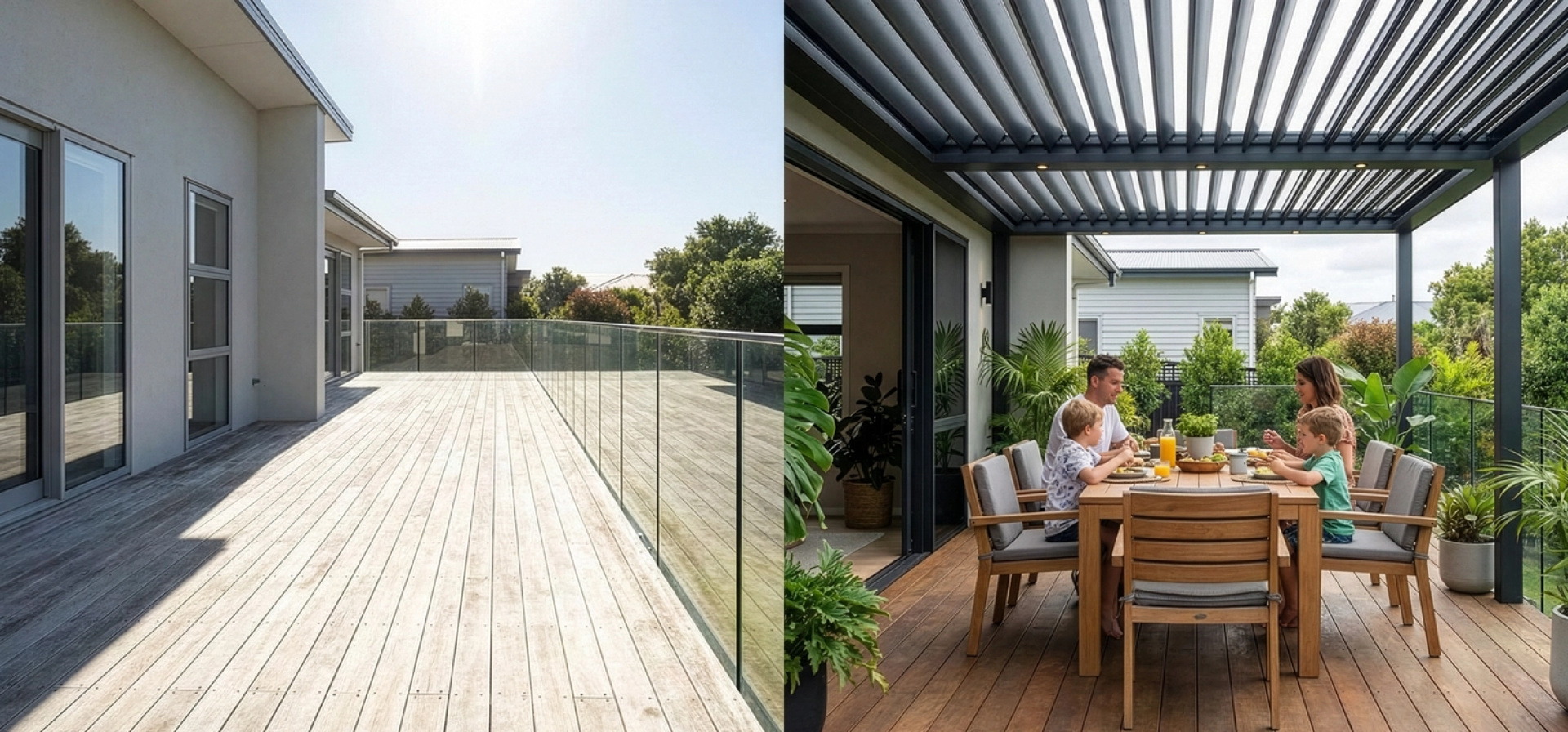
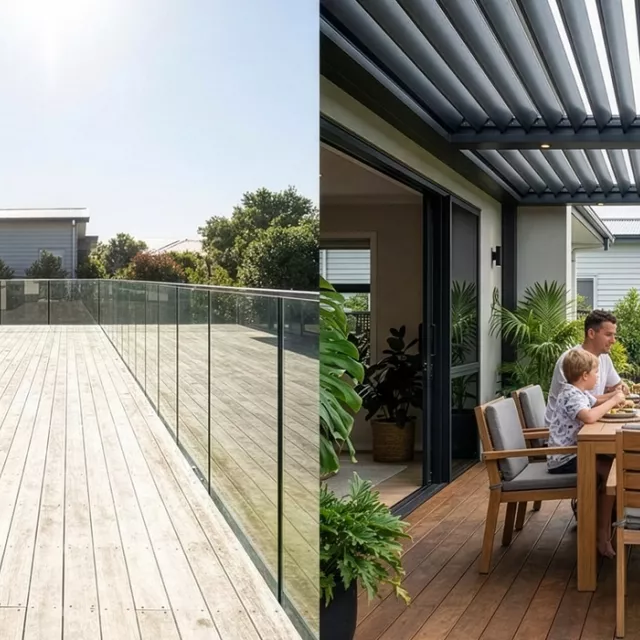
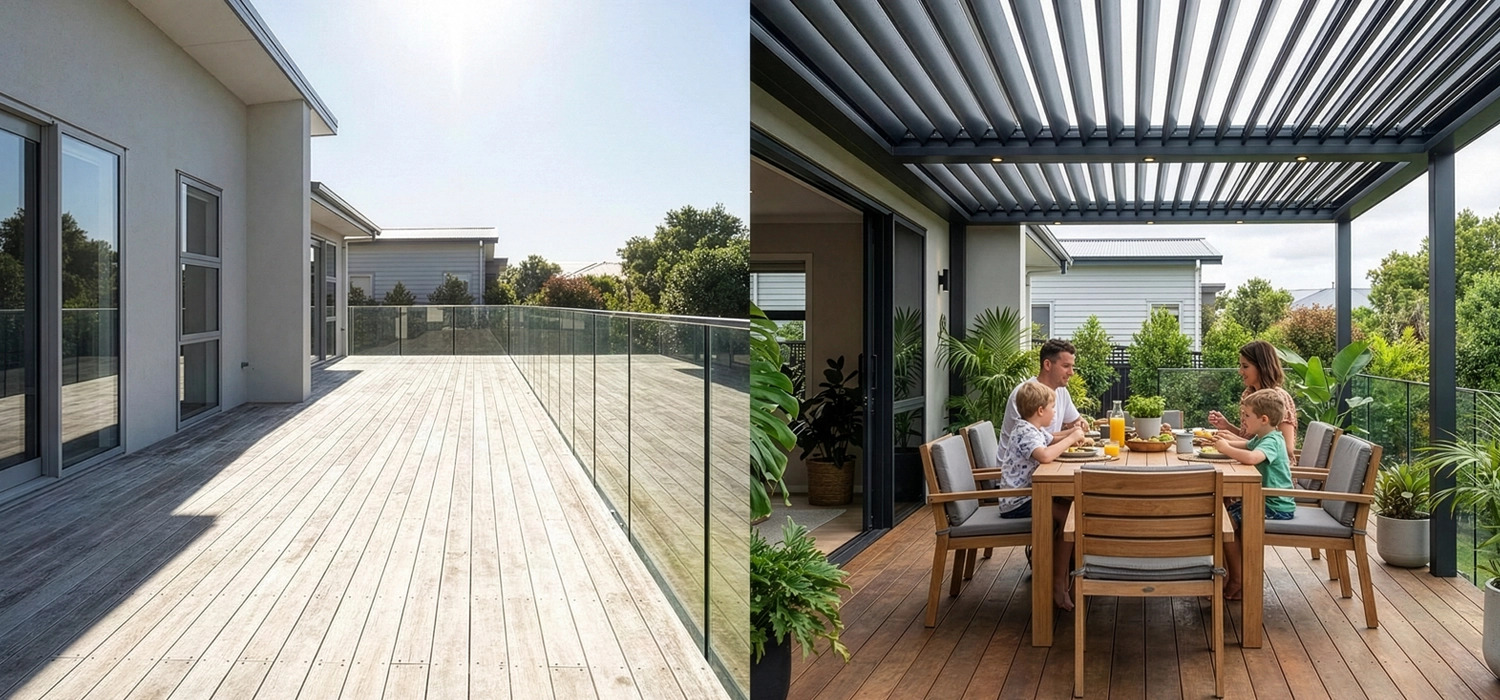
Sarah and Tom Harris are in their late thirties and live in Tauranga with their two children, Ella (7) and Max (4). Their home had a big timber deck off the kitchen, facing north and framed for entertaining. On paper, it was ideal, yet in daily life, it fell short. From late morning in summer, the boards got too hot to walk on barefoot, and the glare made it hard to sit and eat. Sarah said she kept pulling the curtains inside because the deck felt like a heat mirror. In winter, even a light rain shower sent everyone back indoors. The table stayed covered for months, and the kids lost their favourite play space after school.
The deck looked like a feature, but it behaved like a spare zone. Tom summed it up simply. “We built around it, but we didn’t live on it.” That frustration sits behind many Auckland and Bay of Plenty enquiries for an outdoor canopy.
The Design Solution and Key Features
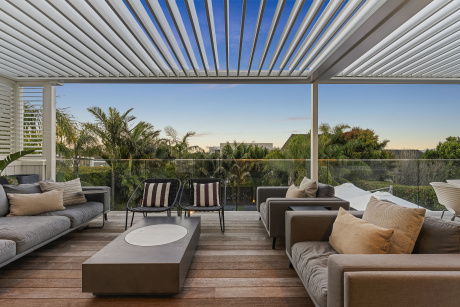
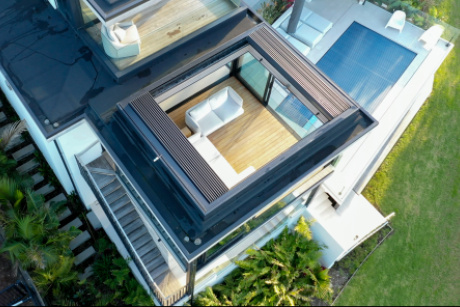
The Harris family wanted shelter without losing their sun when they actually wanted it. We installed a Louvretec Opening Roof system to act as a permanent, architectural outdoor canopy over the full entertaining area. Opening Roof louvres rotate through up to 180 degrees, so you can chase light in the morning, create shade at midday, or close tight when rain arrives. The mechanism uses a concealed drive and Spiral Pivot system, so the operation stays smooth and the structure looks clean overhead.
They chose motorised controls for quick adjustments. When a warm day suddenly turns rainy, Sarah just presses a button and the blades close, sending water into the built-in gutters and downpipes. This simple control took away the stress of moving cushions and kids inside every time the weather changed.
Aesthetic Details That Completed the Look
We matched the roof’s powder coat colour to the home’s existing joinery, so it blended in. Downlights were built into the beams, keeping the deck tidy at night and letting the family enjoy evening meals without extra lamps. The new roof looked like it belonged to the house, not just an add-on.
The shift in comfort showed quickly. Breakfast moved outdoors on weekends because the light was softer and the air still flowed through the open blades. Ella started using the shaded table for homework on summer afternoons. In winter, Tom began lighting the barbecue without worrying about a forecast surprise. The family stopped calling the area “the deck” and started calling it “the outdoor room.” That is what a well-designed outdoor canopy should do: it turns a weather-dependent space into a reliable part of home life.
Privacy meets style with shutters in NZ
The High-Density Living Challenge
Outdoor privacy has changed in New Zealand. Many suburbs now include townhouses, new infill builds, and apartment-style blocks where decks sit closer together than they used to. You may enjoy a sunny balcony, but still hesitate to use it because you feel watched. You might also notice wind tunnelling between buildings, which makes a covered area feel chilled and exposed.
We see this often in Auckland developments. Homeowners want shelter above, but they also want control at the edges. They do not want a solid wall that blocks light or view, and they do not want flimsy screens that flap in the wind. This is where a louvre roof paired with shutters in NZ homes creates a balanced solution.
The Modern Fix: Sliding Shutters
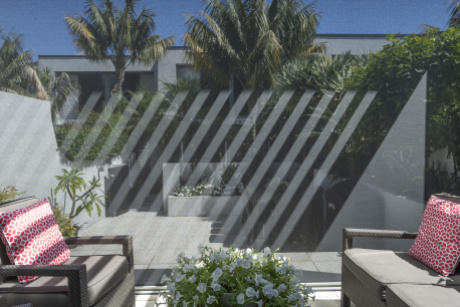
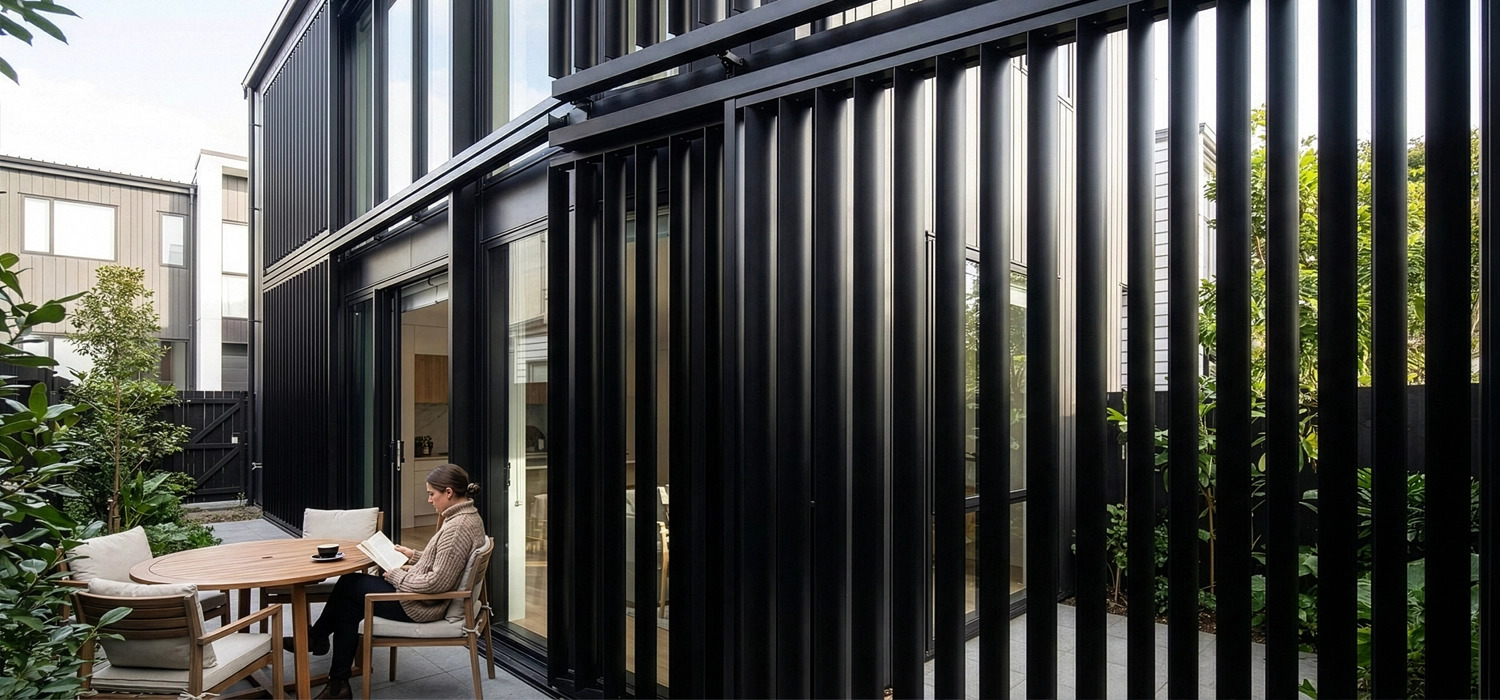
Louvretec Coastal Shutters are aluminium louvre panels that slide on tracks or fold back depending on the space. You can stack them to open the view when you have company, or slide them closed to screen neighbours and soften the wind. Because the blades are angled, they still let light and airflow through, so the area keeps an outdoor feel even when it is private.
Maya and Reuben, a couple in Wellington, used this system in their narrow courtyard between two rows of townhouses. Their main concern wasn’t shade, but feeling like dinner outside was too public. Sliding shutters fixed this. Maya said she felt comfortable reading outside again, since she could close the panels to eye level but leave the top open for light. Reuben liked that the courtyard still felt open and airy.
Inspiration Board: Coastal Versus Urban
Shutters can shift the whole mood of a space. Two common directions appear across NZ projects.
Urban Modern Look
- Black or charcoal powder coat that matches the window frames.
- Vertical louvre blades for sharper lines.
- Panels sized to align with door heights, keeping symmetry across the façade.
Coastal Relaxed Feel
- Appliance White or Silver Pearl finishes that sit lightly against timber cladding.
- Horizontal blades that echo weatherboards.
- Wider panels that create a soft “lanai” style screen without blocking the view.
In both styles, shutters do more than just provide shade. They help make the area a comfortable retreat, especially when combined with an outdoor canopy.
Flexible Shade: When to Choose a Retractable Awning
Some homes need a lighter touch than a permanent roof. Heritage areas, view corridors, or tight sites can make a fixed frame feel too heavy. There are also households that want winter sun fully open, then summer shade only when needed.
That’s why a retractable awning can be a good choice for some verandas and balconies. It extends to give shade during the hottest part of the day, then folds away into a slim case when you don’t need it. This works well for classic villas where it’s important to keep the roofline clear.
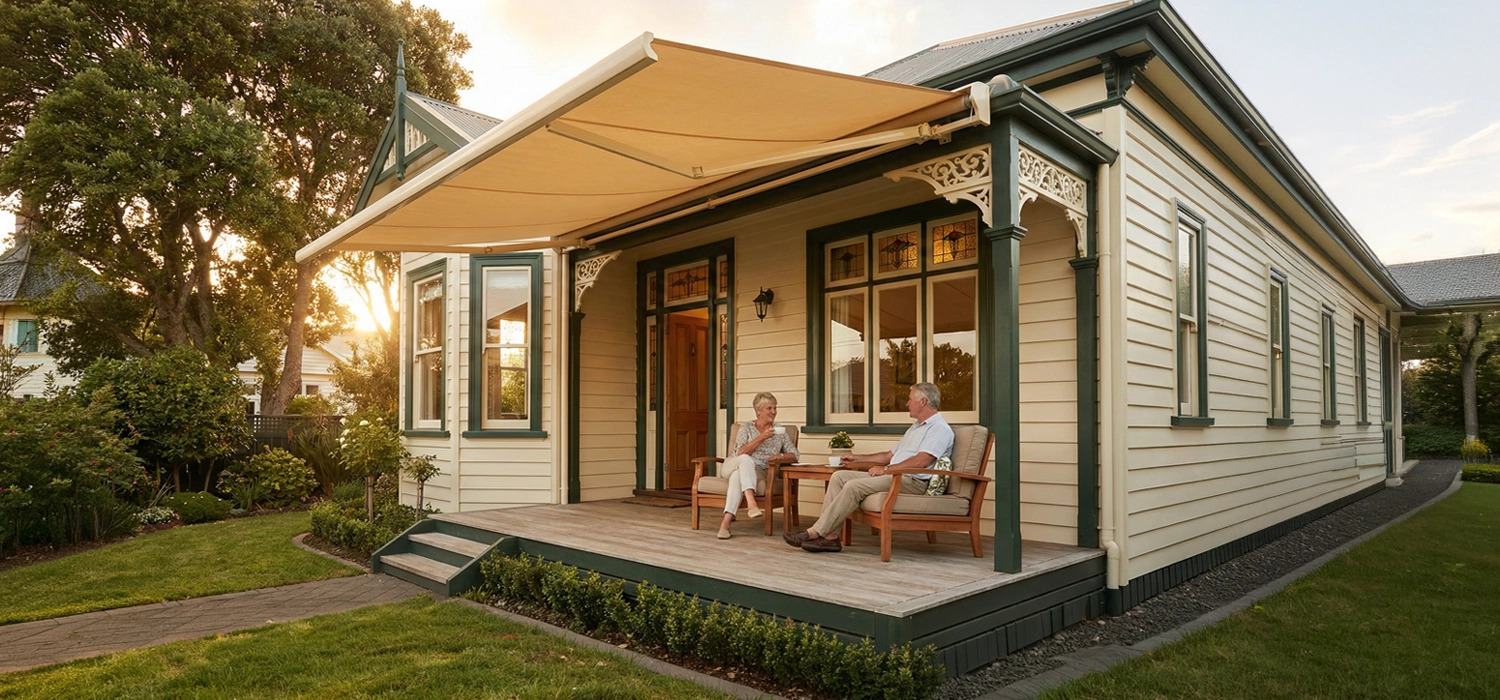
Take Margaret and James Liu, a retired couple in their early sixties living in Grey Lynn. Their west-facing veranda had beautiful original detailing but was almost unusable after 3 pm in summer. They did not want a large fixed frame that changed the home’s character. A retractable system solved this. On hot days, they extend shade for tea and visits. On cooler days, they pull it back and enjoy the open sky. The veranda stays authentic, yet becomes a dependable part of their day. For heritage homes, this flexibility often provides the best balance of comfort and respect for style.
The Complete Enclosure: Creating the “Glass Room”
If you want actual year-round use, you often need more than an overhead shelter. Wind and sideways rain are what push people indoors, even when they have shade. Full enclosure is the next step.
Glass for Seamless Flow
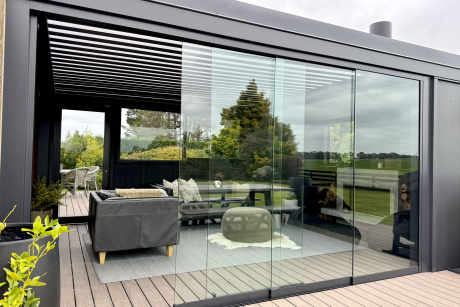
Frameless glass sliding doors let you close off a space without blocking the view. Louvretec’s Slidetec Glaslide system works with Opening Roofs to create a clear barrier against the wind. Many people choose glass when the view is a key reason they bought their home, like on coastal decks or hill sites.
Bi-fold doors are another option, especially if you want a wide opening that folds back completely in good weather. It’s important to plan the tracks and posts with the roof and beams so everything lines up neatly.
Mesh for Glare and Breeze Control
Glass handles wind, but you may still need softer control for the sun and insects. Mesh Outdoor Blinds, also called outdoor roller blinds, drop down from a head box and provide UV filtering, privacy, and gentle airflow. They work well on west-facing decks where harsh afternoon sun is the main issue, and where you still want air moving through the room.
In Auckland, many homeowners use glass on the side facing the weather and mesh on the sunny side. This creates a layered space you can adjust as the day changes. This approach helps turn an outdoor canopy into a room you use all the time.
Featured Project Gallery: Regional NZ Styles
We notice clear regional trends in how people use louvre roofs and side panels. These aren’t strict rules, but they can help you imagine what might work for your place.
Auckland Urban
In Auckland, courtyards and decks are often close to neighbours and are used a lot for entertaining. Dark powder coat colours, slim beams, and clean blade lines suit modern homes and give a strong look. Many people add lighting and heating early, so the space works after dark. Enclosed sides with glass or shutters are common to manage wind between buildings.
Coromandel Bach
In Coromandel and other coastal areas, people prefer lighter finishes and an open feel. Appliance White and Silver Pearl are popular, and shutters are mainly used to filter breezes and protect from storms, not just for privacy. The aim is a relaxed deck that’s open to the view but can still shelter family and friends when the weather changes. Here, an outdoor canopy is about staying outside longer, not closing off the space.
Start Your Transformation
Every project in this guide shows the same truth. The right design changes more than the look of your home. It changes how you use it. Whether you need a full louvre roof as an architectural outdoor canopy, sliding shutters for privacy, a heritage-friendly awning, or a fully enclosed glass room, the best system is the one matched to your site and routine. Louvretec systems are designed and made to measure in New Zealand, with blade control through 180 degrees and structural frames engineered for local conditions.
If you want to see these ideas in person, visit one of our showrooms or book a site consultation. We will talk through your layout, sun path, wind exposure, and the look you want to achieve, then map out a clear plan for your own “after” photo.
Most Questions Asked About Outdoor Canopies and Shutters in NZ
How are canopies and shutters attached to the building?
Attachment depends on the home’s structure and the design you choose. Opening Roof systems can be built as a free-standing beam and post structure, or fixed into suitable building openings, with posts and beams engineered for the site. Shutters are mounted on top-hung or bottom rolling tracks, fixed to structural headers or posts, so panels slide smoothly without wobble. We confirm all fixing points during the site visit to ensure long-term stability.
What is the best material for outdoor shutters?
For New Zealand conditions, aluminium is a strong choice because it resists moisture, holds finishes well, and stays stable in the wind. Louvretec shutters use aluminium louvre blades and frames, available in sliding, bifolding, or hinged formats, depending on your opening and the feel you want.
Are outdoor canopies waterproof?
When louvre blades are closed, Louvretec Opening Roofs provide a weather-resistant roof. Water is directed into built-in guttering and downpipes, helping keep the area beneath dry. Like any roof, performance relies on correct design for pitch, drainage paths, and local exposure, which is why we measure and engineer each roof for its site.
Your Outdoor Space, Used More Often
A great outdoor area shouldn’t depend on good weather. The case studies here show how smart design choices can turn sunny, windy, or wet decks into spaces you use every day. An outdoor canopy gives shelter and control, shutters add privacy and block wind, and glass or mesh sides help you enjoy the space for more of the year.
If you are ready to rethink how your patIf you’re ready to change how your patio or deck feels, we’re here to help. Explore our galleries, see what matches your style, and talk to us about your home. With the right outdoor canopy, your outdoor room becomes a space you use and enjoy, not just walk past.